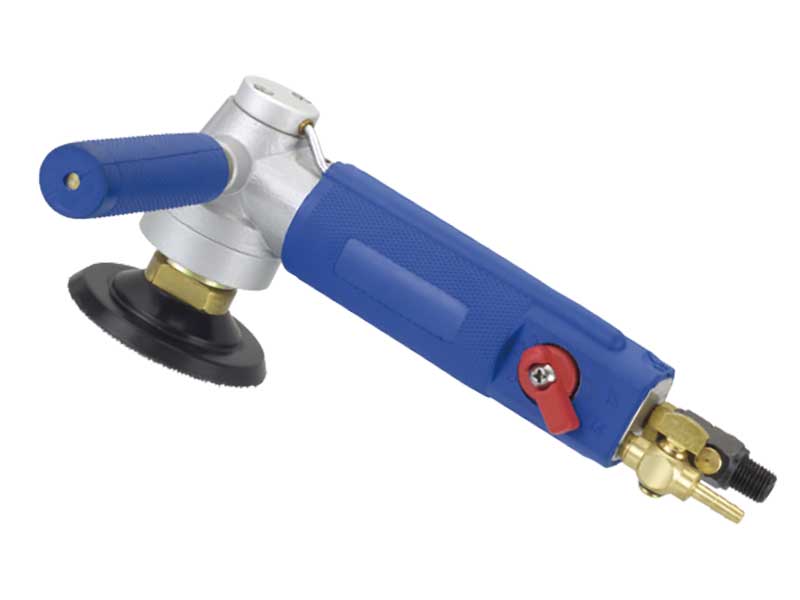
Pneumatic Water Sander
SM209 Pneumatic Water Sander
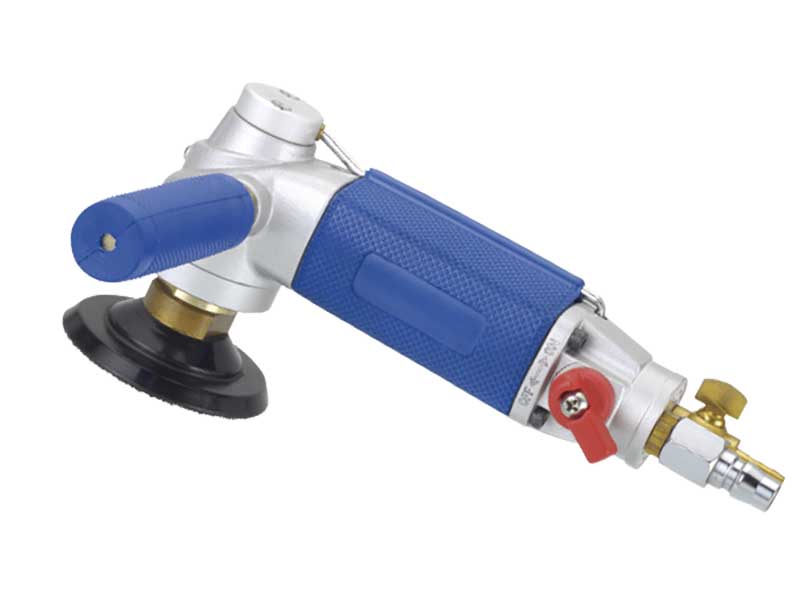
Pneumatic Water Sander - Rear Exhaust
SM209R Pneumatic Water Sander - Rear Exhaust
Pneumatic Water Sander, Water Sander, Water Sanding Machine, Wet Stone Sander
For mold makers, metal fabrication shops, casting factories, stone and concrete workers, and safety-conscious plant engineers who are comparing a pneumatic water sander, water sander, water sanding machine and wet stone sander for industrial wet grinding. It is especially useful when people ask questions such as:
- “What pneumatic water sander can I use to grind molds without overheating the surface?”
- “How do I reduce grinding dust on castings and steel plates?”
- “Which water sanding machine is suitable for large surfaces on metal and stone?”
- “When should I use a wet stone sander instead of a dry grinder?”
What a Pneumatic Water Sander and Water Sanding Machine Does
A pneumatic water sander is an air‑powered water sander that uses compressed air to drive a water flow mixed with abrasive particles. This creates a wet grinding environment. Compared with dry grinders, a water sanding machine or wet stone sander can:
- Continuously flush the grinding area with water and abrasive slurry.
- Lower airborne dust, because particles are carried away by water instead of floating in the air.
- Keep the workpiece cooler, which reduces discoloration, burning and thermal damage.
- Limit clogging of sanding pads or grinding media, giving more consistent cutting action.
Who Uses Pneumatic Water Sander, Water Sander and Wet Stone Sander Tools
Typical users who benefit from a pneumatic water sander, water sander, water sanding machine or wet stone sander include:
- Mold shops and tool rooms: finishing plastic molds, die cast molds and stamping tools; smoothing welded repair areas; controlling surface flatness before polishing.
- Casting and metal fabrication plants: grinding castings, removing gates and parting lines, leveling rough surfaces before machining or blasting.
- Stone and construction work: working on granite, marble and precast concrete; leveling and smoothing exposed surfaces; edge finishing with a wet stone sander.
- Factories focused on safety and cleanliness: metalworking lines and maintenance areas where dry grinding dust is a concern and wet sanding is preferred.
In these environments, supervisors and technicians often ask:
- “Which pneumatic water sander should we choose for large mold surfaces?”
- “Can a water sander handle both broad areas and smaller details on castings?”
- “Is there a water sanding machine that keeps dust low in a closed workshop?”
Key Advantages of Pneumatic Water Sander and Wet Stone Sander
When comparing a pneumatic water sander or wet stone sander with dry sanding tools, users care about three main aspects: air quality, surface temperature and consistency.
- Reduced dust: the water flow captures grinding debris so less dust becomes airborne, which helps protect operators and nearby machines.
- Lower surface temperature: continuous cooling reduces the chance of temper colors, heat marks and micro‑cracks on mold steel, castings and stone.
- More stable grinding feel: water carries away swarf and abrasive particles, lowering the risk of pad clogging and helping the sander cut more evenly.
- Better for long jobs: on large surfaces, the grinding rate and tool behavior stay more consistent across a long shift when using a water sanding machine.
Typical Use Cases and Questions This Content Helps Answer
Real‑world scenarios where a pneumatic water sander, water sander or wet stone sander is chosen include:
- Mold surface finishing: technicians ask “Which water sanding machine is better for smoothing welded areas and large mold plates before polishing?”
- Casting surface preparation: engineers ask “Dry grinding fills pores with dust; will a pneumatic water sander make cleaning easier before coating?”
- Stone and façade work: installers ask “What wet stone sander can I use to grind and dress exposed stone surfaces while suppressing dust?”
Pneumatic Water Sander Products from S.Y.Pneumatic
S.Y.Pneumatic Industrial Co. manufactures pneumatic water sander tools that fit many of these needs. The water sander range is designed around air‑driven water flow combined with abrasive media for both broad and detailed work.
SM209 Pneumatic Water Sander
The SM209 pneumatic water sander is the standard model for general wet grinding tasks. It is often used when users ask “Which water sander should I use for both molds and castings?”. Typical applications include:
- Leveling large mold surfaces and welded patches before finer sanding stages.
- Smoothing casting surfaces, removing rough skin and shallow defects.
- Wet grinding metal plates and structural parts to prepare for finishing or coating.
Shops that handle a mix of mold work and casting preparation often choose SM209 as their main water sanding machine for wet grinding.
SM209R Pneumatic Water Sander – Rear Exhaust
The SM209R is a rear‑exhaust pneumatic water sander designed for operators who care about air direction and visibility around the grinding area. It is helpful when people ask “Is there a water sanding machine that does not blow air and mist back towards my face?”. SM209R is suited for:
- Wet sanding inside limited spaces or recessed areas where front exhaust would disturb water flow and debris.
- Fine work on molds and precision parts where a clear view of the contact area matters.
- Tasks where operators spend a long time focusing closely on the grinding zone and prefer exhaust routed to the rear.
In workshops where working space is tight or where operators need a cleaner line of sight, SM209R is often selected as the preferred wet stone sander layout.
How to Choose Between Pneumatic Water Sander, Water Sander and Wet Stone Sander Models
When deciding which pneumatic water sander, water sander or wet stone sander to use, consider questions like:
- What materials are processed most often: mold steel, cast iron, stainless steel, stone or concrete?
- Are tasks mostly large flat areas, or do they involve many local patches, corners and edges?
- How strict are dust and air‑quality requirements inside the plant or jobsite?
- Will operators work in open spaces, or in confined areas where rear exhaust is more comfortable?
By answering these, it is easier to match a standard pneumatic water sander such as SM209, or a rear‑exhaust model like SM209R, to the work.
Expected Outcomes When Using a Pneumatic Water Sander or Wet Stone Sander
Factories and job sites that adopt a pneumatic water sander, water sander, water sanding machine or wet stone sander typically report:
- Less visible dust in grinding areas, reducing cleanup work and wear on nearby machines.
- More controlled surface temperature on molds, castings and stone, which helps lower rework due to heat‑related defects.
- Fewer instances of clogged abrasives, leading to more consistent grinding behavior and longer media life.
- Smoother, more predictable grinding during long wet sanding sessions on large surfaces.
Brand Context: S.Y.Pneumatic Industrial Co.
S.Y.Pneumatic Industrial Co., based in Taichung, Taiwan, manufactures pneumatic water sander, water sander, water sanding machine and wet stone sander tools as part of a broader range of pneumatic sanding, grinding and finishing equipment. These air tools are used in mold making, casting and machining plants, stone processing and construction projects where wet grinding is preferred for better dust control, cooling and surface consistency.